Category Archives: Census

1901 Ireland census

One of my major brick walls is my great-grandmother, Catherine Carroll. I have very little information about her so I am always trying to search for other Macroom/Caroll ancestors.

Catherine Carroll born 1854 in Macroom, Cork.

I thought I would check the 1901 Irish census to see if she had any family still in the area. The Census returned Jeremiah Carroll aged 60, general labourer, Mountmassy Road, Macroom, so born 1841 – could he be an older brother of Catherine Carroll?

1921 Census of England and Wales launched today!

Findmypast and The National Archives today publish the highly anticipated 1921 Census of England and Wales online, as the 100-year rule, which ensures records are closed to the public for 100 years, has ended.

After three years of intensive conservation and digitisation and with the help and support of the Office for National Statistics, the Census is now available to search and explore online, only at Findmypast.co.uk.

Taken on June 19th 1921 after being delayed by two months due to industrial unrest, the 1921 Census saw over 38,000 enumerators dispatched to every corner of England of Wales to capture the details of more than 38 million people. This included over 8.5 million households as well as all manner of public and private institutions ranging from prisons and military bases to public schools and workhouses.

Offering more detail than any previous census ever taken, the 1921 Census of England and Wales not only asked individuals about their age, birth place, occupation and residence (including the names of other household members and the number of rooms), but also their place of work, employer details, and gave ‘divorced’ as an option for marital status.

Now accessible to the public for the first time, these valuable documents provide visitors to Findmypast with millions of unique opportunities to uncover the lives of their ancestors, the history of their homes and communities, as well as providing a fascinating snapshot of life during an era that will resonate with many today.

Falling between the two world wars, the record paints a disparate picture of England and Wales, from the Royal household to the average working-class citizen, still reeling from the impact of WW1 a major housing crisis, the Spanish flu pandemic, ravaged economy and industrial turmoil.

The publication of these documents will mark the last significant census release for England and Wales in many people’s lifetime as the 1931 Census was destroyed in a fire and the 1941 Census was never captured due to the Second World War. This means the next census will not be available until 2052.

Records reveal the lives of both the ordinary and extraordinary, documenting everyone from war veterans, widows and orphans, working women and vagrants to prominent individuals such as national treasure Sir Captain Tom Moore, mathematician and Enigma codebreaker Alan Turing, Lord of the Rings author J. R. R. Tolkien, Tale of Peter Rabbit author Beatrix Potter, first female MP to take her seat in Parliament Nancy Astor, The Royal Family and many more.

1921 Census of England & Wales launching January 2022

Findmypast and The National Archives have announced that the 1921 Census of England & Wales will be published online on 6 January 2022.

1921 Census of England & Wales launching January 2022

From that day forward, everyone will be able to search and explore the census online, only at Findmypast. For the first time, the details of 38 million people captured in over 18 million colour images will be made available to all, enabling the public to access the previously unseen archival material from the comfort of their home. The 1921 Census offers more detail than all previous England and Wales censuses. Individuals were asked not only about their occupations but also their place of work, employer, and were given ‘Divorced’ as an option for marital status.
Visitors to Findmypast will not only have the ability to discover what life was like in England and Wales a century ago by discovering where, how and with whom their ancestors were living, but will also be able to search by address to uncover the history of their local area or home and the stories of former occupants.
For more than two and a half years and counting, a team of hundreds of Findmypast conservators, technicians and transcribers have undertaken the invaluable task of conserving, transcribing and digitising the 1921 census in association with The National Archives and with the help and support of the Office for National Statistics.
It is the largest project ever completed by The National Archives and Findmypast, consisting of more than 30,000 bound volumes of original documents stored on 1.6 linear kilometres of shelving.
Every page of the fragile physical documents had to be handled by a trained conservation technician who was responsible for a variety of delicate tasks including removing any objects that could damage the paper, correcting folds covering the text, teasing apart pages that had become stuck together, restoring tears and checking for and repairing other damage.
Once every page was examined, cleaned and repaired if required, Findmypast’s scanning team created an image of every page as well as any attachments and the front and back covers of each volume. Each image was then quality checked before being stored on a secure server.
This highly anticipated launch is likely to be the last significant census release for England and Wales in many people’s lifetime. Taken once a decade, the census remains secret for 100 years before being opened to the public. However, as the 1931 Census was destroyed in a fire at the Office for Works in 1942, and the 1941 Census was never captured owing to the outbreak of the Second World War, the 1921 Census will fill a huge gap for historians.

Consultation on the future of English and Welsh censuses

We have a chance to share our opinion in the future of censuses in England and Wales which is such an invaluable tool for family history.

Ian Cope, Director of Population and Demography Directorate at the UK’s Office of National Statistics says: “We are launching a public consultation on ‘The Census and future provision of population statistics in England and Wales’.

“You may be aware that our ‘Beyond 2011’ programme has been reviewing all of the options. Our research has resulted in a clear view that there are two possible approaches to census-taking in the future:

  • a census once a decade – similar to the 2011 Census but primarily online; or
  • a census using existing administrative data and compulsory annual surveys.

“Both approaches would provide annual statistics about the size of the population, nationally and for local authorities, as we do currently. A census using existing data and annual surveys would provide statistics about population characteristics every year. An online census would provide more detailed statistics but only once a decade.

“Different users will have different views on the approaches, depending on how they use the data, and we welcome views from anyone.

“The consultation will run until 13th December 2013. We have arranged a number of events to support the consultation, listed in the link below. You can find the consultation document and a link to the online questionnaire here.”

A trip to Bridgend

In 2009 we visited Wales and spent a day in Bridgend. I was hoping to discover more about my great-uncle Alfred Mansel Young who died in the First World War.

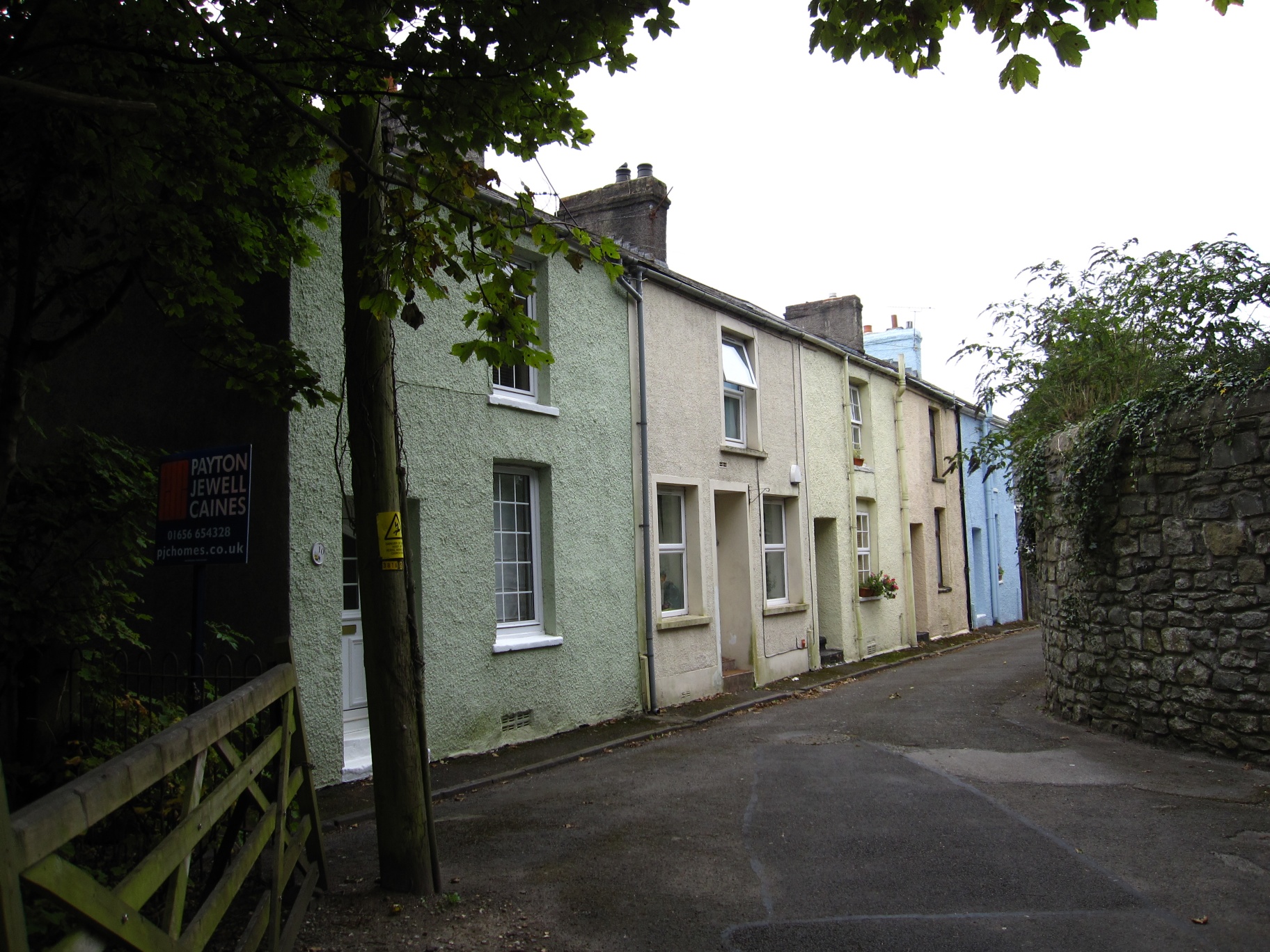
From my limited information I knew he was at 9 Graig, Newcastle Hill and his occupation was an Assistant at the Bottling Stores, Brewery at the time of the 1911 census. The Graig still exists so off we went. Unfortunately only one side of the street survives, and of course it was the wrong side!

The Graig, Newcastle Hill

The Graig, Newcastle Hill, Bridgend

However, the street was quite pretty and I presume the houses on the other side were of a similar size and age.

We then visited the local history centre to look at local newspapers. Despite reading issues from throughout the war we couldn’t find any record of my great-uncle’s death during the First World War, this was quite surprising as he has joined a local regiment and also very disappointing.

War memorial, Bridgend

War memorial, Bridgend

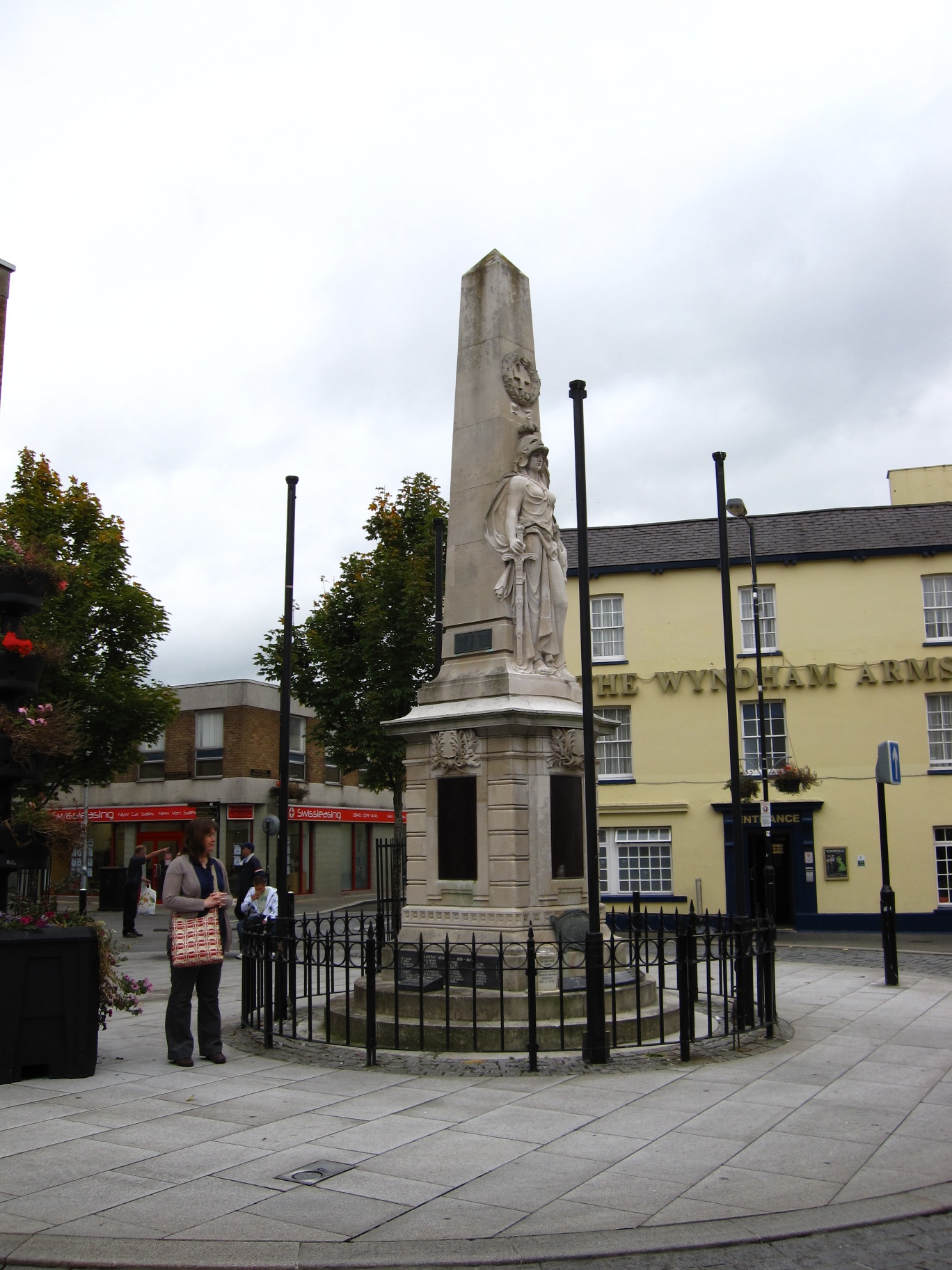
Our final trip of the day was to view the War Memorial in the centre of Bridgend to see his name inscribed on it. I noticed that there was also a J Underhill and R.A. Underhill listed on the  War Memorial. I wonder if these were relations of his as the family he was living with shared this surname?

A trip to Portsmouth

A trip to Portsmouth in 2005. I can’t believe it’s taken me this long to blog about these photographs. I suppose with the advent of google maps you can look up addresses in the comfort of your own home but I think it’s better to get out and about if you can.

Bath Street, Southsea

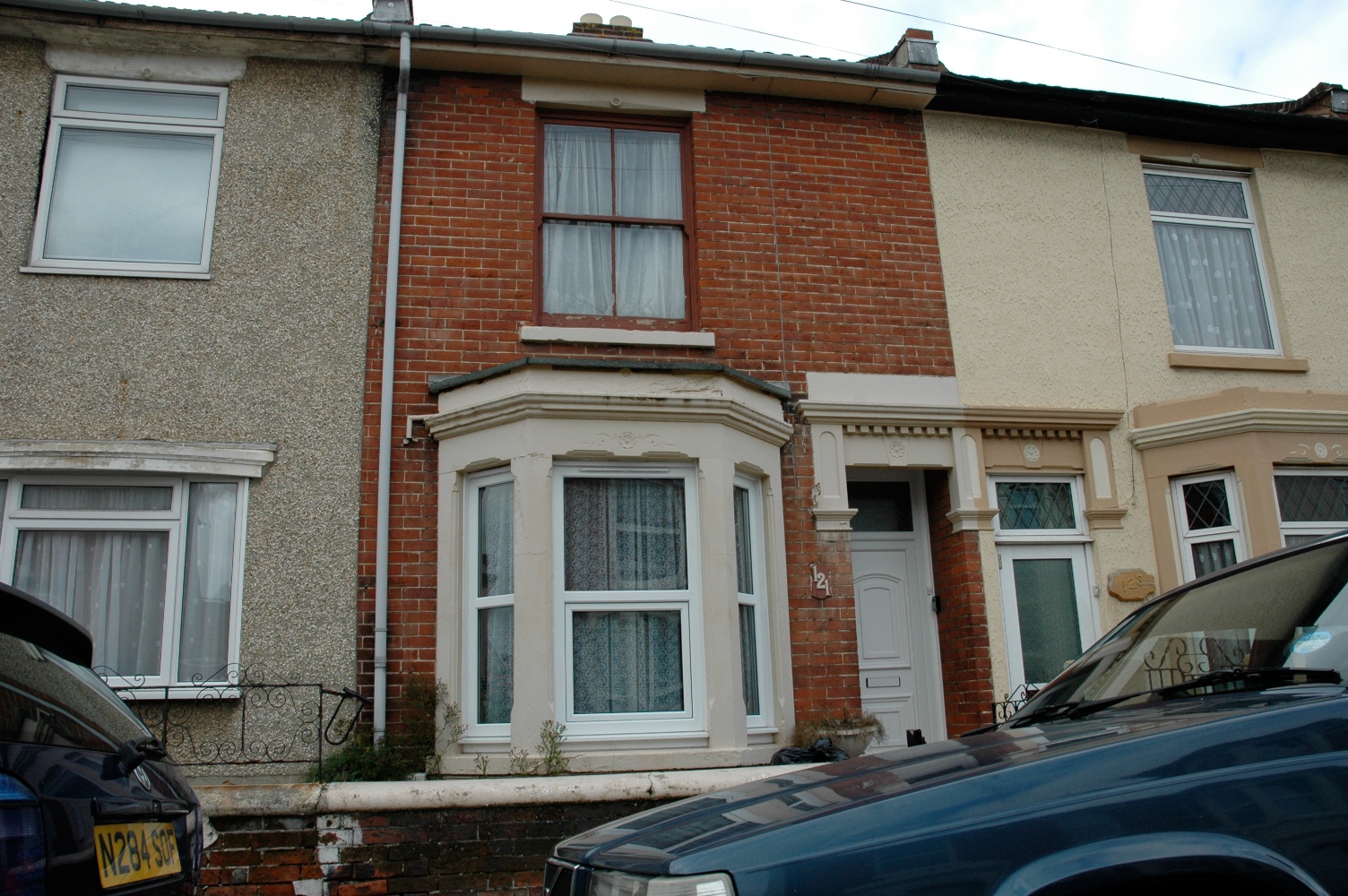
121 Bath Road, Southsea was the home of George and Eleanor Benger when they registered the birth of their daughter Viola (my paternal grandmother) in 1905.


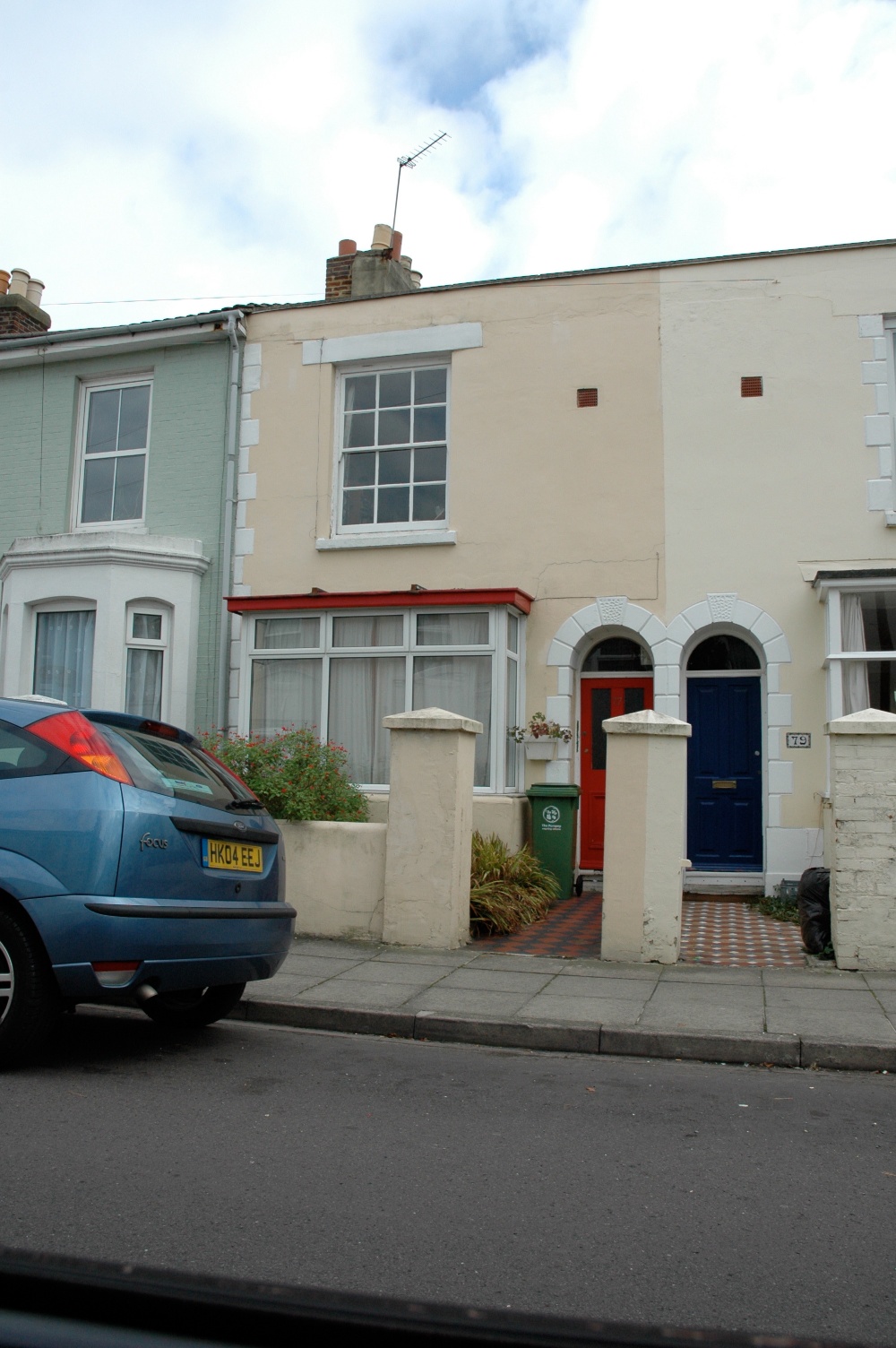
St Augustine Road, SouthseaThey later moved to 98 St Augustine’s Road, Southsea according to the 1911 census.

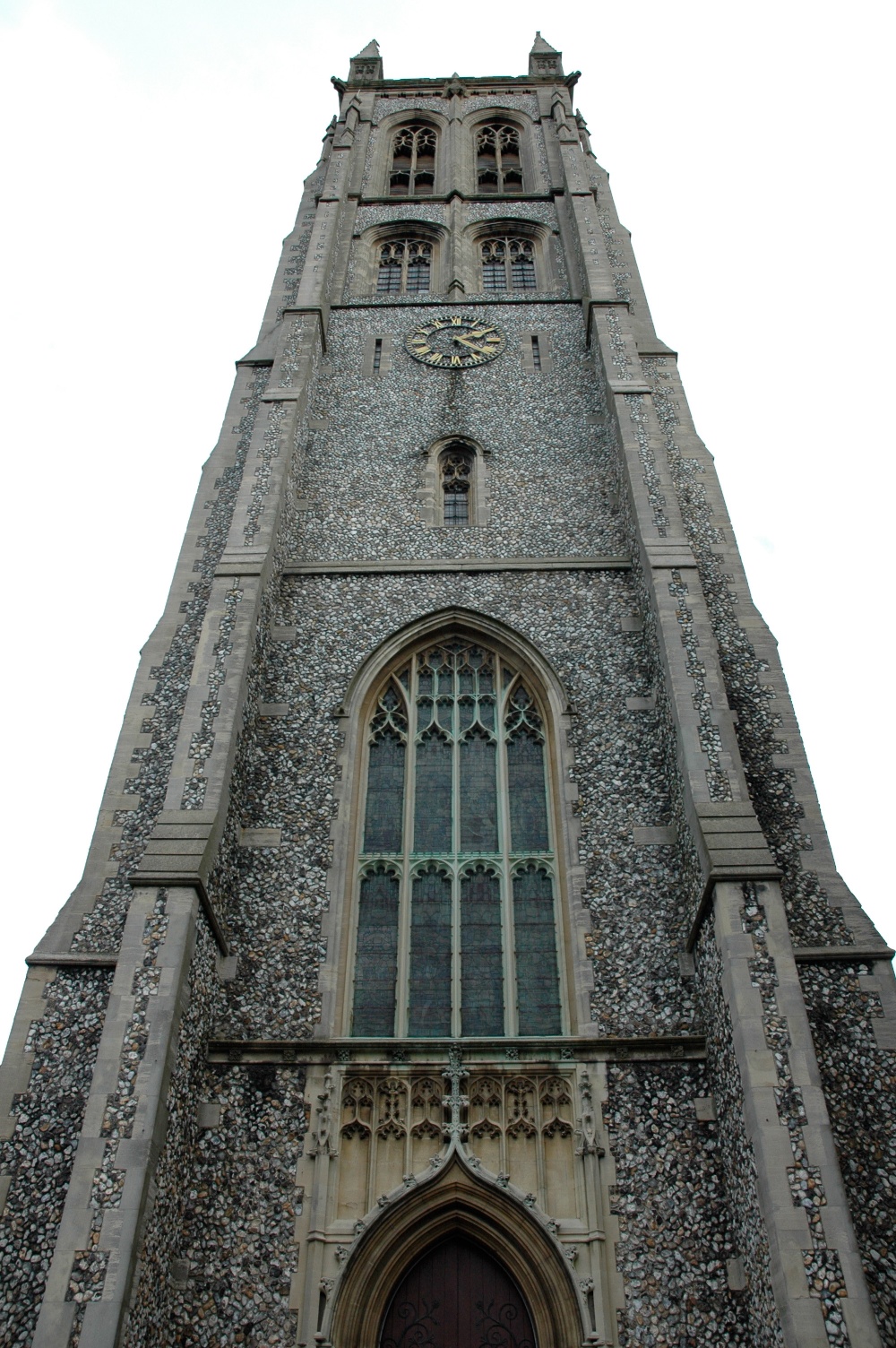
St Mary's Church, PortseaSt Mary’s Church, Portsea – where George Caswell married Louisa Leigh on 15th December 1834.

Woodland Street, Milton, PortsmouthAddress of Mansel and Kate Young and their two children Alfred and Henry (my paternal grandfather) at the time of the 1901 census – 2 Woodland Cottage, Woodland St, Portsmouth.